
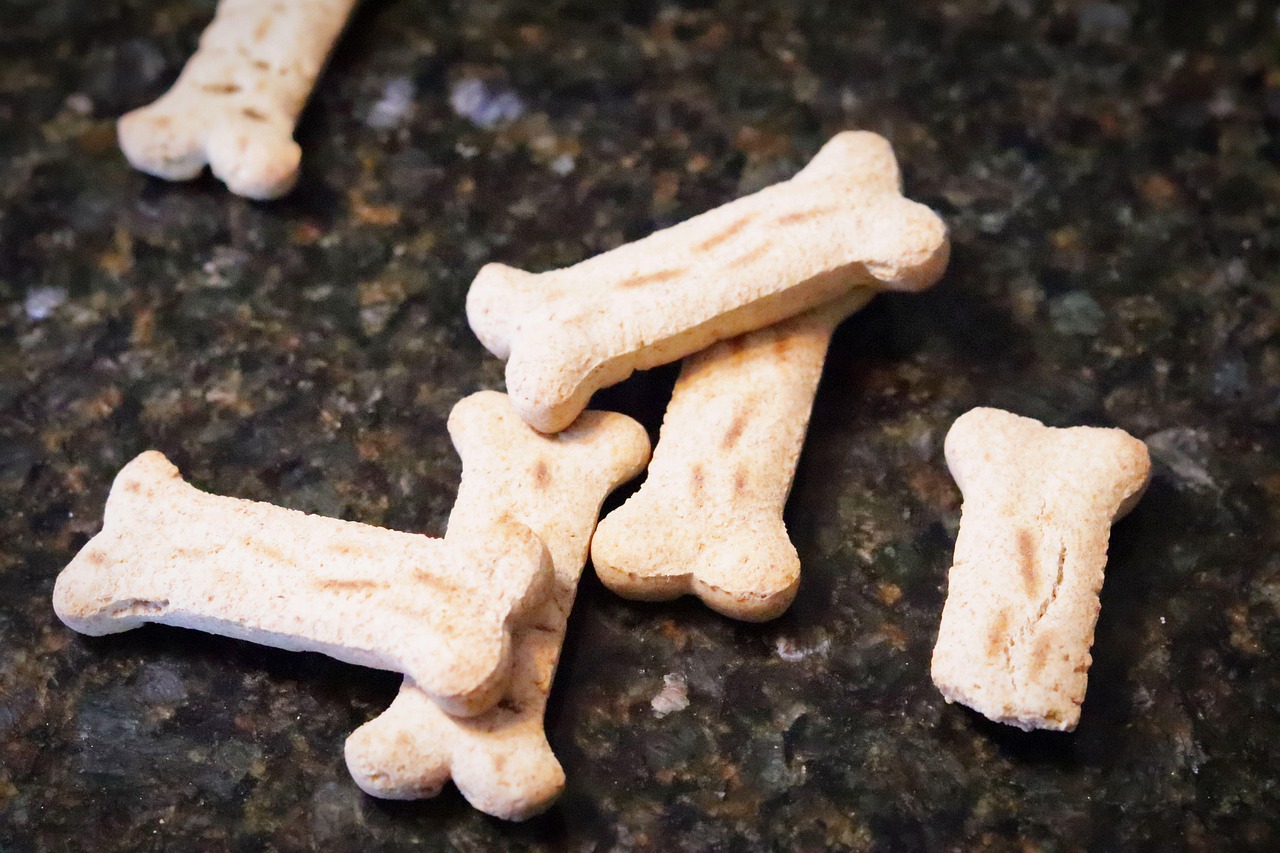
For local pet pros considering their first pet treat bakery, the pet treat market opportunity is real, and so are the tradeoffs. The core task is simple: turning homemade treats into a real business means facing small-business startup challenges that can feel heavier than the baking itself.
Many new pet treat bakery owners get stuck on business licensing for pet foods and the gray areas of homemade pet treat regulations, worrying about getting it wrong and losing momentum. With the right expectations, the work becomes clearer, and the decisions get easier.
Turning Your Pet Bakery Idea into a Business
The 5-step process below helps you go from “I could sell these” to a real plan you can execute. Most first-time founders do best with clear steps that reduce guesswork around customers, costs, compliance, and promotion.
>> Validate Demand with Simple Local Research
Start with quick conversations and observations: ask groomers, vets, pet stores, and dog walkers what treats customers request and what allergies or diet preferences come up. Visit markets and shops to note price ranges, packaging styles, and which flavors sell out first. If you see steady interest, a growing market for homemade pet treats can support your decision to invest.

>> Write a One-Page Plan
Choose one specific niche such as:
- Training bites.
- Limited-ingredients.
- Birthday “pupcakes,” or
- Senior-friendly soft treats.
Next, list your top three products, target buyers and sales channels and add rough numbers for:
- Ingredient cost per batch.
- Expected price per bag, and
- How many bags you need to sell weekly to break even. Keeping it short makes it easier to update after real customer feedback.
>> Develop a Small, Safe Recipe Lineup and Test
Create 3 to 5 core recipes and standardize by:
- Weights.
- Bake times.
- Yield per batch, and
- Self-life notes so every batch is consistent.
Run small test batches and collect feedback from pet parents on smell, size, crumbliness, and whether the treat works for training. Adjust for common sensitivities by offering at least one simple, limited-ingredient option.
>> Choose Equipment Matching Your First Sales Channel
Start with the minimum setup that supports repeatable output: a reliable oven, scale, mixers, sheet pans, cooling racks, and packaging tools. Prioritize consistency and cleaning over fancy upgrades. Remember, customers notice uniform size, freshness, and sealed packaging. If you plan to scale quickly, compare capacity and replacement parts before you buy.
>> Compliance and Practical Marketing
Confirm your rules for labeling, production space, and permits, then build a simple checklist you follow for every batch, every time. Comply with FDA food safety regulations as a starting point so your processes match the type of pet treats you make and how you sell it. Then run a two-week launch: announce preorder dates, offer a sampler box, and ask partners, such as groomers, to share a flyer, QR code, or even samples.

Build Business Skills for a Profitable Bakery
Your next advantage is feeling just as confident about the business side as you do about the recipes!
- Going back to school for a business degree can sharpen the fundamentals that turn a great pet treat idea into a profitable bakery from day one, helping you build a realistic startup budget. A business degree can also build practical skills in accounting, business, communications, or management, so you’re better prepared to lead and keep costs under control as you grow. If you’re juggling a job while getting ready to launch, online degree programs make it easier to work full-time and keep up with your studies. When you’re ready, explore your options to see what could fit.
- Market research and customer segmentation can help you choose your niche and strengthen your marketing basics.
Run Smoother with Systems, Sourcing and Pricing
A pet treat bakery feels fun at the start, until orders, ingredients, and customer messages pile up. The seven weekly tasks below can help keep your quality consistent, your margins protected, and your schedule manageable.
Run a Weekly Inventory
Pick one low-traffic time each week to count your key ingredients and packaging (flour, eggs, peanut butter, bags, labels) and compare it to the next 7–14 days of expected orders. Set simple reorder points like “when I hit 2 weeks of oat flour, reorder,” so you’re not emergency-shopping mid-bake. Tie this back to your budgeting skills by tracking “inventory dollars on the shelf” so cash doesn’t quietly get locked into extra stock.
Standardize Recipes: Batch Sheets and Yield Targets
Create a one-page batch sheet for each bestseller treat that lists weights (not cups), bake times, cooling time, and expected yield (e.g., “48 minis per batch”). This turns training and delegation into a checklist rather than a guessing game, and makes cost control far easier because you can spot when yields slip. Keep a small “change log,” so if you swap a supplier or ingredient, you can document what changed and whether customers noticed.
Design an Efficient Bakery Workflow
Organize your workspace into clear zones: storage, prep, mixing, baking, cooling, packaging, and pickup/shipping. Then plan your week in blocks, one day for mixing and baking, another for packaging and labeling, so you’re not bouncing between tasks and dirtying tools unnecessarily. A simple rule is to touch each treat as few times as possible: bake once, cool once, pack once.
Build Local Sourcing Strategies
Local sourcing can differentiate your brand and shorten lead times, but it’s best with backups. Aim for one primary local source and one secondary option for each high-impact ingredient (such as eggs, pumpkin, or honey), and confirm minimum order sizes and lead times in writing. When you market local ingredients, be specific; “local free-range eggs” is clearer than “farm fresh.”

How to Differentiate Your Brand
Premium products often win when they’re distinct in ways buyers can instantly understand! Product differentiation can come from ingredient provenance, freshness, and nutritional positioning. Pick 2–3 “signature” angles you can consistently deliver, like single-protein recipes, limited-ingredient treats, or seasonal small-batch drops. Build your packaging and product descriptions around them. This also supports customer segmentation based on your market research: one line for sensitive stomachs, another for training minis, and another for celebration treats.
Protect Margins with Pricing Strategies
Start with a true unit cost: ingredients + packaging + labor time + overhead share (utilities, kitchen fees, waste), then add a margin that matches your goals. Use price tiers to avoid discounting everything; bundle training treats in multi-packs; offer subscription pickups; or add a “party pack” with a higher perceived value. Review prices monthly for your top 10 items to catch cost increases before it eats into your profit.
Simple Customer Engagement Tactic
Set “office hours” for messages (twice daily is enough) and create saved replies for common questions like ingredients, shelf life, and allergy notes. Ask for structured feedback with one question at pickup, “Did your dog prefer crunchy or chewy?” Record it in a quick spreadsheet so you can decide your next batch with data, not guesses. Consistent communication also helps as you start handling topics such as labeling expectations, inspections, and liability coverage with more confidence.

Pet Treat Bakery: FAQ
Q: As a beginner, what pet product liability risks should I plan for?
A: Your biggest risks are allergeric reactions, contamination, and labeling issues. Reduce exposure by using clear ingredient lists. Include basic allergen cautions, lot dating, and written handling steps you follow every bake day. Keep customer messages that mention sensitivities and reply with a consistent “check with your vet” note.
Q: How do I source ingredients safely without paying premium prices everywhere?
A: Start with a short “approved list” and buy only what you can trace back to a reputable supplier. Look for vendors that meet customer expectations by sharing specs, storage guidance, and consistent quality. Price shop after you confirm reliability, not before.
Q: What should I expect from local health inspections?
A: Inspectors typically care about cleanliness, temperature control, pest prevention, labeling, and separating food storage from household items. Call your local health inspection office for forms and kitchen standards for pet treats.
Q: What business insurance do I need?
A: Many new bakers typically start with general liability and product liability, then add property coverage for equipment and inventory. If you do deliveries or market events, ask about off-premise or event coverage too. Get quotes with your exact products, ingredients, and sales channels listed.
Q: When should I scale bakery operations?
A: Scale when demand is consistent for several weeks, and you can prove profit per batch, not just revenue. Add capacity in one step at a time, a larger mixer, a helper for packing, or a second baking day. Also, track whether turnaround time and quality improve.
Turning Your Pet Treat Bakery Plan into Weekly Momentum
Starting a pet treat bakery can feel like balancing safety concerns, compliance requirements, and the pressure to sell quickly. A calm business growth mindset, with entrepreneur motivation, long-term business planning, and steady community support networks, keeps decisions simple and doable. Pick three small actions this week, and let your progress (or lack of) prove the plan. When your confidence grows, operations become clearer, and customer loyalty builds as a natural outcome of consistent quality and trust.
Guest Author: Mia Price
Mia Price is the founder and head writer for Spirit Pup. Mia is a pup parent to Autumn, an animal lover, and a post-grad student. She created the website to help pet parents provide their pups with physically healthy and mentally enriching lives. On her site, she offers a wide range of resources and information visitors can use right away to give their spirited pups a “pawfect” life!
Learn more at SpiritPup.com.
Leave a Reply